

Center for Research on Economic Sustainability and Trends
The Center for Research on Economic Sustainability and Trends (CREST) conducts research on economic matters and development affairs in the South Atlanta Metro Area.
Advancing Data-Driven Solutions for Sustainable Economic Growth
The Center for Research on Economic Sustainability and Trends (CREST) at Clayton State University is dedicated to advancing applied research that strengthens businesses, empowers communities, and informs economic development across Georgia and beyond.
We bridge the gap between research and real-world impact—connecting students, faculty, and industry partners to address today’s most pressing economic challenges.
What We Do
CREST serves as a hub for innovation, insight, and collaboration. Our work focuses on:
- Applied Economic Research
Delivering data-driven insights that inform decision-making for businesses, organizations, and policymakers - Workforce & Business Development
Supporting entrepreneurs and small businesses through research-backed strategies and programming - Community & Regional Impact
Partnering with local and regional stakeholders to promote equitable and sustainable economic growth - Student Engagement & Experiential Learning
Providing hands-on research opportunities that prepare students to lead in a data-driven economy
Mission
To assist local governments and business communities in the South Atlanta Metro Area with achieving their goals by conducting research on economic matters
Our Impact
CREST is committed to producing measurable outcomes that benefit both our students and the broader community.
- Engaging students in real-world research experiences
- Supporting emerging and established businesses
- Strengthening partnerships across public and private sectors
- Contributing to economic insights that drive informed action
Center Director
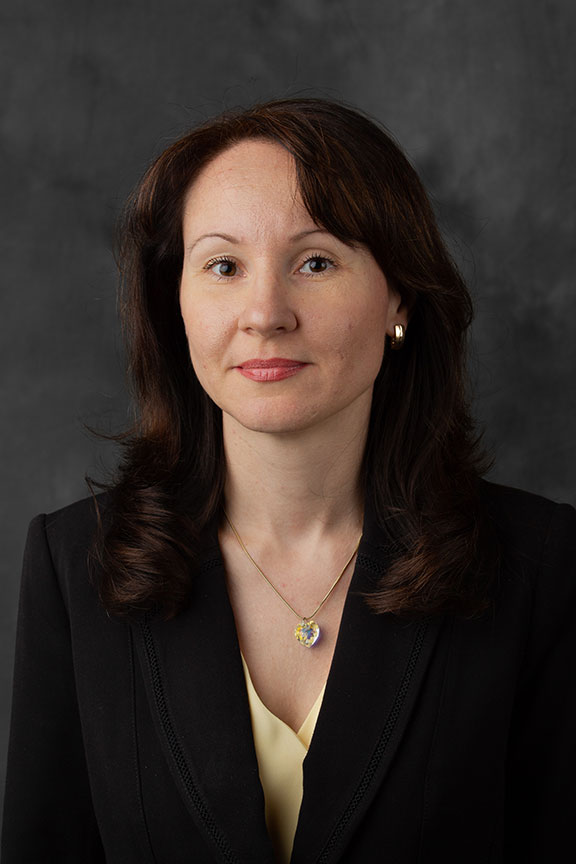
Dr. Iryna Hayduk is an Associate Professor of Economics and the Director of the Center for Research on Economic Sustainability and Trends (CREST) in the College of Business at Clayton State University. Her research focuses on labor economics, aiming to contribute to a deeper understanding of the determinants of self-employment, the development of soft skills, and the consequences of mass layoffs. Dr. Hayduk has published scholarly articles in academic journals and has presented her research at the leading economic conferences. She is a recipient of the 2018 Professor of the Year Award, 2019 Outstanding Service Award, 2021 Outstanding Service Award, and 2023 Research Professor of the Year Award, which recognize faculty who have made significant contributions in the areas of teaching, scholarship, and service in the College of Business. She holds a Ph.D. in Economics from the University of Houston and graduate and undergraduate degrees from Ukrainian universities.
Past Community Engagement Projects
CREST has led a range of research initiatives focused on economic resilience, workforce development, and regional growth across Clayton, Fayette, and Henry Counties.
COVID-19 Economic Impact Studies (HEERF III Funded)
Through HEERF III funding, CREST conducted multiple studies examining the economic effects of the COVID-19 pandemic. These included a regional business impact survey across Clayton, Fayette, and Henry Counties (PI: Reza Kheirandish), as well as focused analyses on Clayton County’s labor market, human capital and productivity, and supply chain disruptions. These projects were led by faculty including Iryna Hayduk and Brian Hunt, with interdisciplinary research teams supporting each effort.
Regional Planning & Workforce Initiatives
CREST has partnered with regional organizations to support long-term planning and workforce development. Notably, the center contributed to a Smart Growth and Regional Resilience project in collaboration with Georgia Tech Center for Quality Growth and Regional Development and Henry County, funded by The Partnership for Inclusive Innovation.
In addition, CREST led the AEROATL Workforce Needs Assessment (funded by the Aerotropolis Atlanta Alliance), providing key insights into workforce trends and regional economic needs.
Economic Development Studies
CREST played a significant role in the development of the Clayton County Strategic Economic Development Plan, a $75,000 initiative sponsored by the Development Authority of Clayton County and featured in the Atlanta Journal-Constitution, Laker Connection, and Business Matters. This effort brought together a broad coalition of stakeholders, including government agencies, educational institutions, business leaders, and partners such as Hartsfield-Jackson Atlanta International Airport.
The center also conducted a Fayette Workforce Needs Assessment in partnership with the Fayette Chamber of Commerce, further strengthening regional workforce insights.
Experiential Learning Projects
CREST integrates applied research into the student experience through hands-on, community-based projects. In collaboration with the Fayette Chamber of Commerce, students examined the economic impact of Pinewood Atlanta Studios, evaluating how Georgia’s film tax incentives influence local business activity.
Students also contributed to the nationally recognized Cost of Living Index (COLI) by collecting pricing data across Fayette County. This work supports a dataset widely used by organizations such as the U.S. Census Bureau and Bureau of Labor Statistics.
Center Affiliates
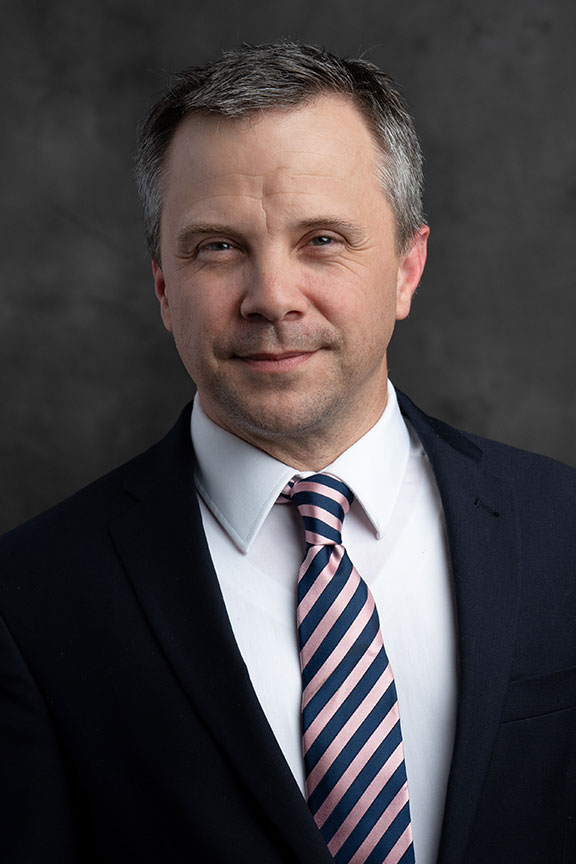
Brian A. Hunt earned his M.A. in Global Trade, Finance, and Economic Integration at the University of Denver’s Josef Korbel School of International Studies. He has worked in international banking for Bank One and US Bank, and he has also served as a freelance analyst covering East and South East Asia for a number of geopolitical consultancies. From 2004-2019, Mr. Hunt served as an Economist and Visiting Lecturer in the Department of Economics at Georgia State University’s Andrew Young School of Policy Studies in Atlanta, Georgia. Today Mr. Hunt serves as a Lecturer of Economics in Clayton State University’s College of Business and Economist in the College’s Center for Research on Economic Sustainability and Trends.
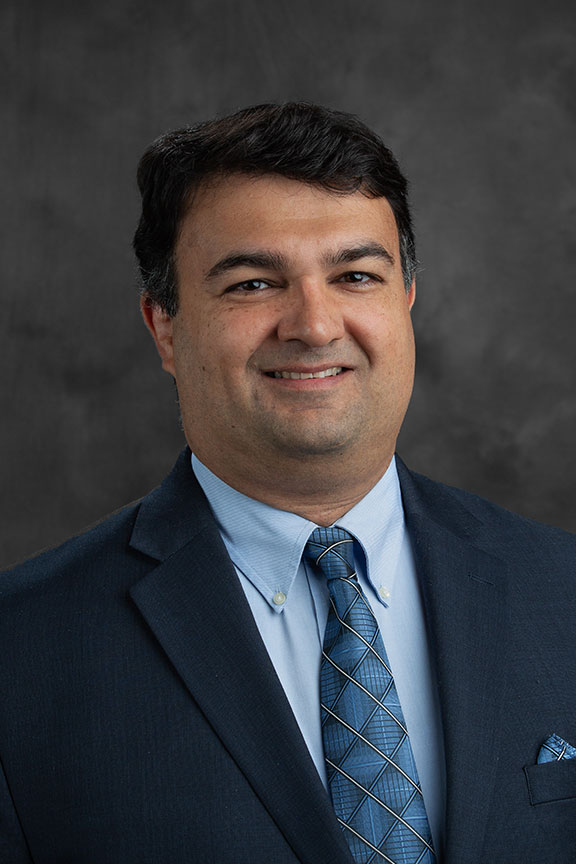
Reza Kheirandish is a Professor of Economics and the Chair of Department of Accounting, Business Law, Economics, and Finance in the College of Business at Clayton State University, Morrow, Georgia. He received his Ph.D. degree in Economics from Virginia Tech in 2008, his M.S. degree in Economics from Virginia Tech in 2000, and his B.S. degree in Electrical Engineering from Sharif University of Technology in 1994. Reza is a visiting scholar at Harding Center for Risk Literacy at Max Planck Institute for Human Development in Berlin since September 2017. Reza served as the director of Center for Research in Economic Sustainability and Trends (CREST) in the College of Business at Clayton State University 2010-2015. He is a member of AEA, AIRLEAP, DSI, Herbert Simon Society, MEEA, SAM, SEA, SEDSI, SEINFORMS, and SGE. Reza has served as the faculty advisor of the Clayton State University chapter of SAM, 2010-2018 and as a co-advisor 2007-2009 & 2019. Reza has received “Professor of the Year” award in 2012, 2015, and 2017 “Research Professor of the Year” award in 2008 and 2014, and “Outstanding Service Award” in 2013 from the college of business at Clayton State University. He also has received “Outstanding Faculty Advisor” award from SAM in 2011, 2015, 2016 and 2017. Reza has been awarded the two-year “Bud and Mary Miller University Professorship” in 2014.

Anthony Hannah, DBA, is an Assistant Professor of Accounting at the Clayton State University College of Business. Dr. Hannah serves on the different committees at the department, college, and university level and is the faculty advisor to the Accounting Club. Dr. Hannah serves the community as Faculty Director of the Volunteer Income Tax Assistance (VITA) program, serving Clayton, Fayette, Henry, and other surrounding counties for over 31 years. Dr. Hannah's research focuses on big data analytics and its influence on ethics, system selection and use, financial reporting, and management decision-making. Before joining academia Dr. Hannah, a Certified Enterprise Resource Planning (ERP) consultant, served as Managing Consultant in the Technology Management Consultant (TMC) practice with RSM providing advisory and consulting services in the areas of financial and managerial accounting, data structuring, and reporting, strategy and change management, business process engineering and operational optimization to small and midsize enterprises. Anthony received his bachelor's degree in Accounting from Albany State University, MBA - Accounting from Saint Leo University, and a DBA –Accounting and Business Analytics from Jacksonville University.
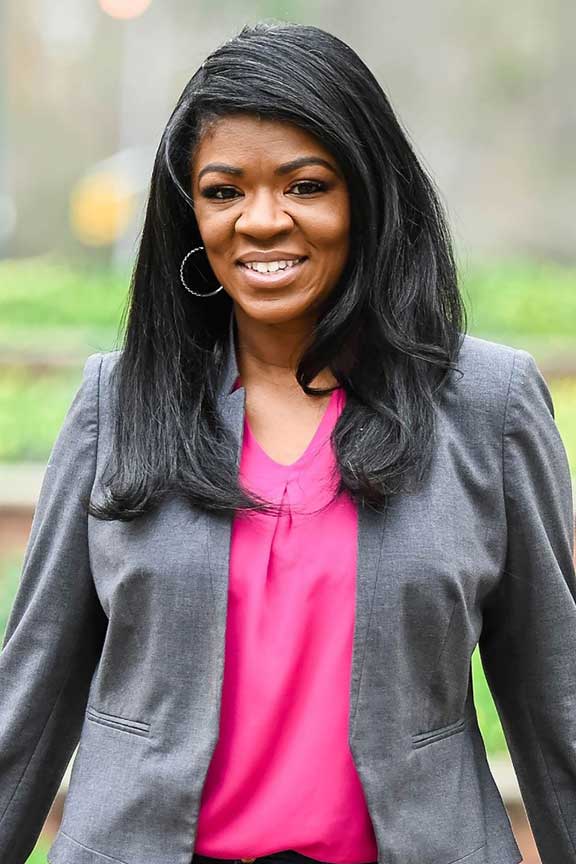
Melva Robertson is an Assistant Professor of Management in the College of Business at Clayton State University. Her research areas include themes around Leadership Development, Communications & Branding, and Organizational Behavior. Prior to joining Clayton State University, Dr. Robertson served most of her career as a communications and public relations leader creating successful strategic plans that resulted in local, national, and global media coverage for universities and organization. She is experienced in crisis communications and has authored of two books. Dr. Robertson earned her doctorate degree in Strategic Leadership from Regent University, master’s degree in Professional Writing from Kennesaw State University, and bachelor’s degree in Mass Communications from Morris Brown College.
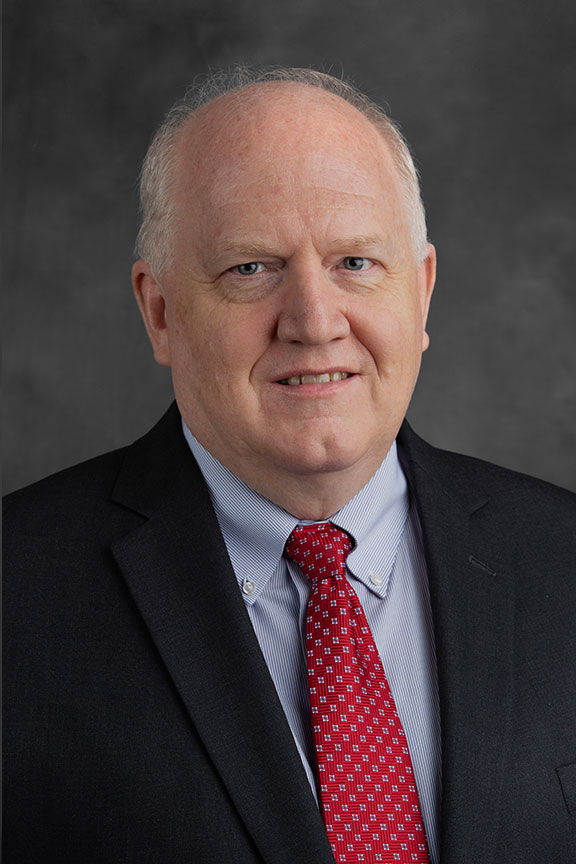
Craig A. Hill, PhD, holds the Charles S. Conklin Endowed Chair and is a professor of Supply Chain Management in the College of Business at Clayton State University. His research interests are in the area of supply chain management, in particular production planning, contract manufacturing, supply chain collaboration, and as well as innovations in education. He has published in such journals as the International Journal of Production Economics, Decision Sciences Journal of Innovative Education, Journal of Operations Management, IEEE Transactions on Engineering Management and the European Journal of Operations Management . He has over 10 years of industry management and consulting experience in the area of production management, productivity improvement, quality control, and production planning.

Maude Toussaint-Comeau, PhD, served at the Federal Reserve Bank of Chicago from 1998 to 2025, retiring as a Senior Economist and Economic Advisor. Over her 27-year tenure, her research focused on employment dynamics, small business development, housing, and banking, contributing to the Federal Reserve System’s understanding of labor market disparities, financial inclusion, and economic mobility. Her work has been published in leading academic and policy journals, including Review of Economics and Statistics, Economic Development Quarterly, and Chicago Fed Letter. She is the editor of Improving Economic Mobility of Workers: Bridging Research and Practice (W.E. Upjohn Institute) and has contributed to scholarship on middle-class economics. Dr. Toussaint-Comeau has taught economics at DePaul University and the University of Illinois at Chicago and has lectured internationally, including on financial inclusion and banking at the University of International Business and Economics in Beijing.